
About Stambaugh Township
A Rich Local History
Stambaugh Township was established in 1886, when it was separated from Iron River Township. W.T. Carpenter served as the township's first supervisor. In its early years, the township seat and much of its population were located in what would become the City of Stambaugh.
As the area developed, roads extended into the surrounding countryside, connecting homesteads, farms, logging camps, and small settlements. Districts such as Baumgartner, Saunders, Pentoga, and South Brule became established parts of the community, and many of those names remain familiar today. At one time, Stambaugh Township was home to more than eight schools, reflecting the number of families and small settlements spread throughout the area.
The township's history is closely connected to the industries that built communities throughout Iron County. Iron mining brought many of the area's earliest waves of development, while logging and farming became important parts of everyday life. Iron County's mining industry eventually grew to include dozens of producing mines, while the surrounding forests supported a substantial lumber industry.
The former City of Stambaugh, which developed alongside the township, became an incorporated village in 1890 and a city in 1923. In 2000, Stambaugh was consolidated with Iron River and Mineral Hills, but the Stambaugh name and its history remain an important part of the surrounding community.
What Stambaugh Township Is Known For
Stambaugh Township is perhaps best known for the combination of Northwoods recreation and a strong connection to its working-land heritage. Logging remains part of the local economy, farming continues across the township, and small family-owned businesses contribute to the community's rural character.
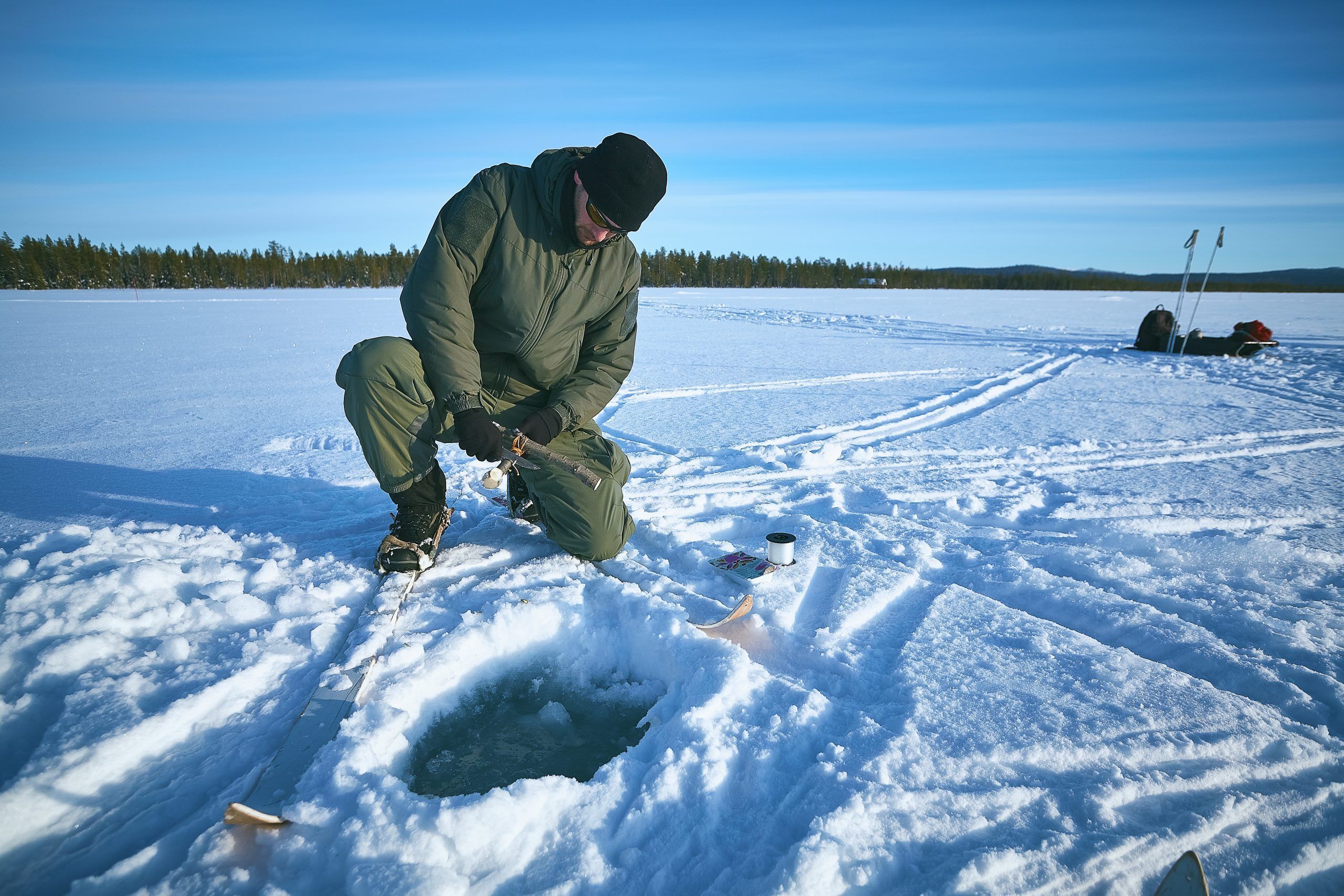
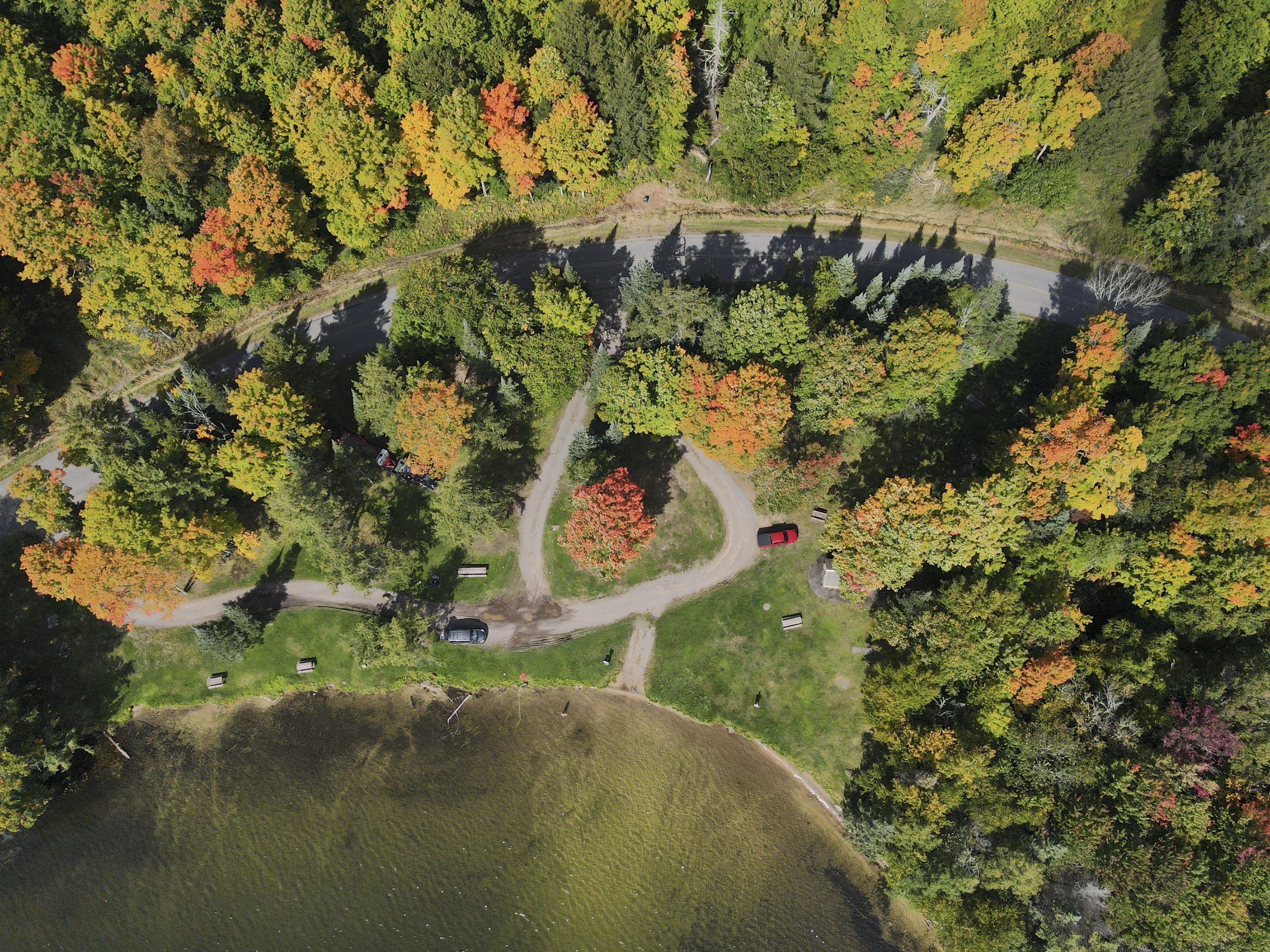
The area is also known for its abundance of lakes and forests. From quiet lake days and rustic camping to fishing, hunting, hiking, and winter recreation, outdoor activities are an important part of life in Stambaugh Township. The nearby Menominee River region adds even more opportunities for paddling, fishing, wildlife viewing, and other outdoor adventures.
A Community Looking Ahead
While Stambaugh Township has deep roots in the mining, logging, and farming traditions of Michigan's Upper Peninsula, it remains an active and evolving community. Generations of families continue to call the township home, while its natural resources and recreational opportunities attract visitors seeking a quieter way to experience the U.P.
Stambaugh Township's story is ultimately one of people, place, and perseverance—a community that has grown alongside the forests and lakes of Iron County while preserving the history and traditions that make it uniquely its own.
About Stambaugh Township
A Community Rooted in the Northwoods
Located in Iron County in Michigan’s western Upper Peninsula, Stambaugh Township is a community shaped by forests, lakes, hardworking families, and generations of local tradition. The township combines the quiet character of rural Upper Michigan with a strong connection to the surrounding communities of Iron River, Caspian, and Gaastra.
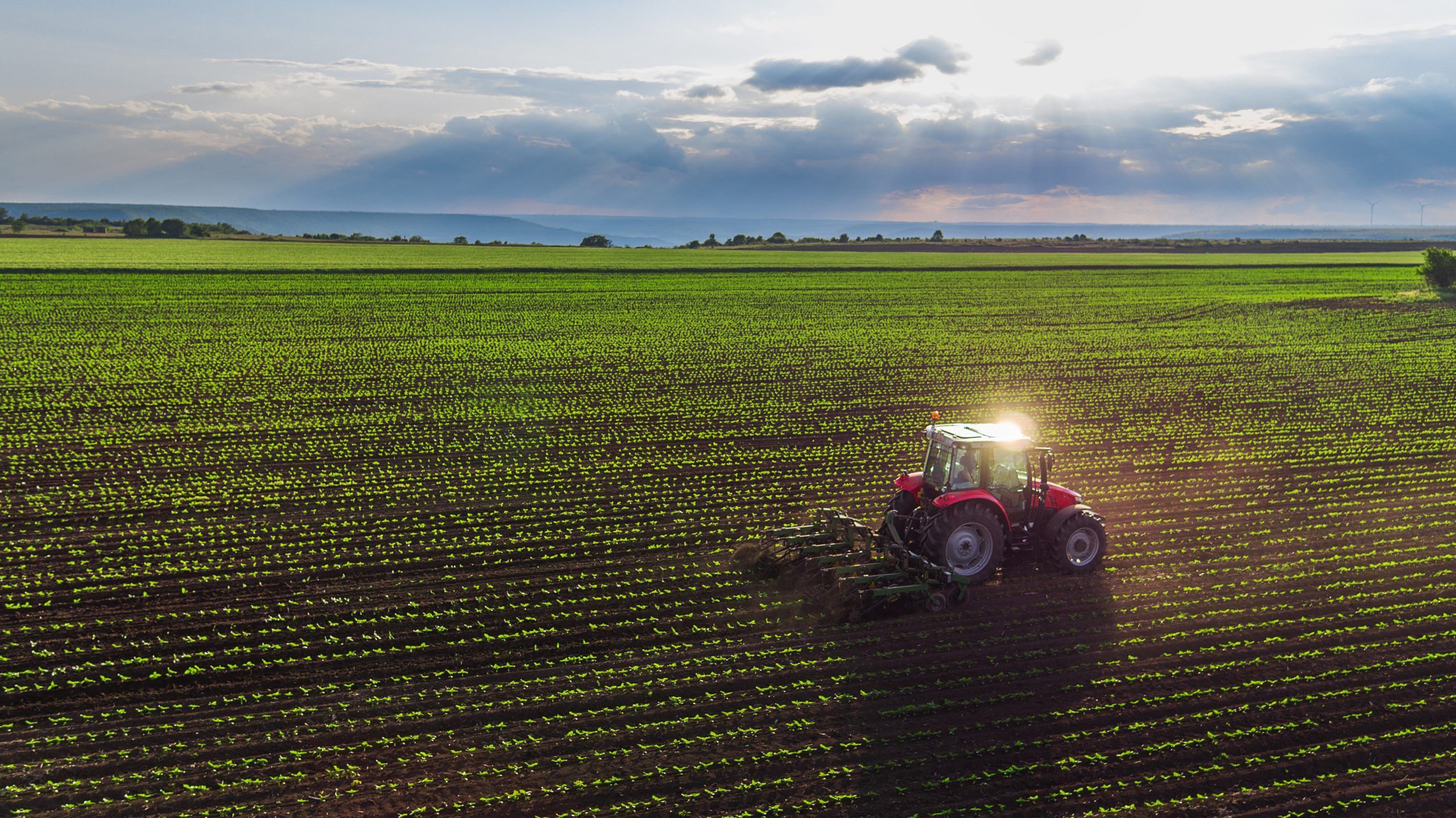
Today, Stambaugh Township is home to small family-owned businesses, working farms, logging operations, recreational opportunities, and year-round residents who continue to contribute to the community. Its expansive forests and numerous lakes also make the township a destination for those looking to enjoy the outdoors and experience the natural beauty of the Upper Peninsula.
Recreation in Every Season
One of Stambaugh Township's greatest assets is its natural setting. The township is surrounded by forests, rivers, and numerous inland lakes that provide opportunities for fishing, boating, camping, hiking, hunting, and enjoying the outdoors throughout the year.
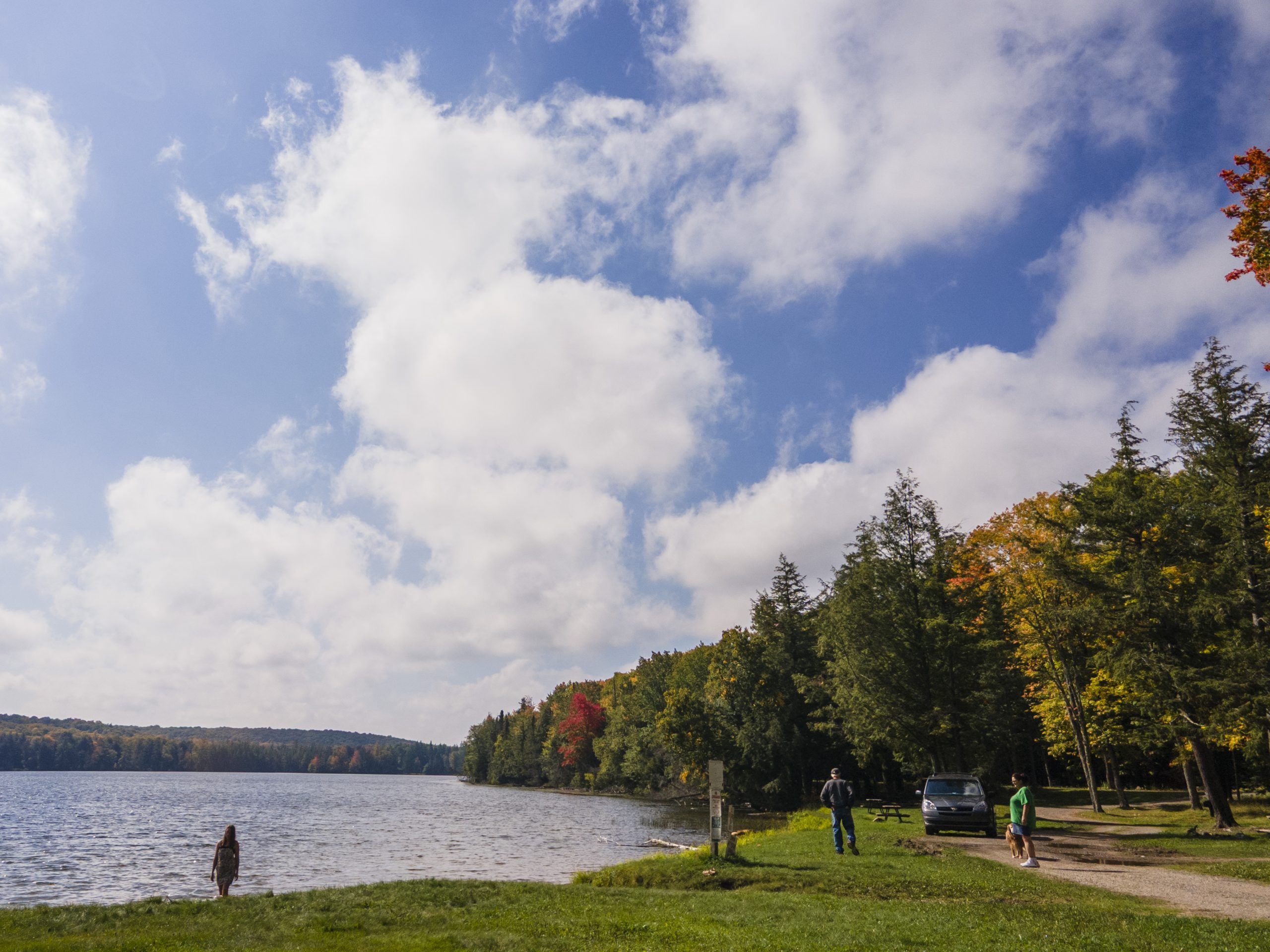
Holmes Park, located along Little Smokey Lake, is the township's primary public recreation area. The park includes rustic campsites, picnic areas, fire pits, changing facilities, a pit toilet, and a small boat launch. Little Smokey Lake is home to walleye, northern pike, perch, and panfish, making the park a popular destination for anglers and campers looking for a quiet Northwoods experience.
The township is also connected to the Iron County Non-Motorized Heritage Trail, part of the broader Iron Belle Trail system. The trail network provides opportunities for walking, biking, and other non-motorized activities while connecting communities throughout the area.
With lakes such as Hagerman, Golden, Stanley, Camp, and others throughout the township, residents and visitors have no shortage of places to fish, paddle, boat, explore, and enjoy the peaceful surroundings of the Upper Peninsula.